
Loading...
Serving St. Joseph, MO and surrounding areas. (816) 558-9986
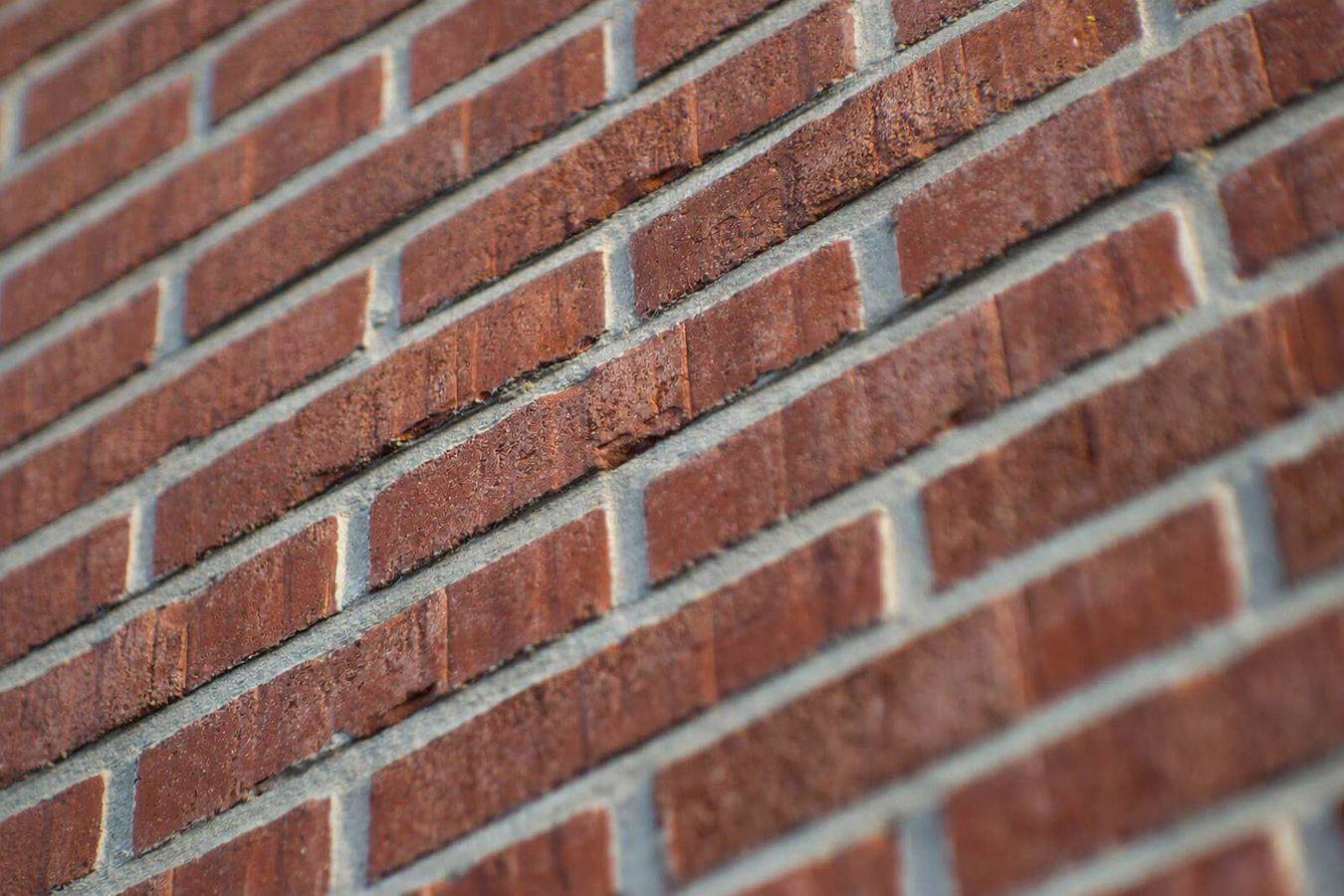
Crumbling mortar joints let water into your brick walls - and in St. Joseph winters, that water freezes and damages your home from the inside out. We remove the old mortar and replace it with a mix matched to your brick, so the repair holds through freeze-thaw cycles for years to come.
Brick pointing in St. Joseph means carefully removing the old, damaged mortar between your bricks to a depth of about three-quarters of an inch, then packing in fresh mortar and shaping each joint to shed water - most jobs on a chimney or single wall section take one to two days, and full exterior repoints on larger homes take a week or more.
The mortar between bricks is designed to be the weaker material on purpose - it acts as a sacrificial layer that absorbs stress and moisture so the bricks themselves do not crack. Most mortar starts showing wear after 25 to 50 years, and in St. Joseph, where temperatures regularly drop below freezing in winter and swing back above freezing in the same week, that deterioration happens faster than in milder climates. Every time water trapped in a failing mortar joint freezes, it expands and pushes the joint apart a little more. What starts as a modest repair job can turn into a much larger structural problem if left through a few hard winters. If your home was built in the 1920s or 1930s - as many in St. Joseph were - the original mortar may have been lime-based, which means the repair requires a gentler mix than what is used on newer brick. Using the wrong mortar on older brick can crack the bricks themselves, which is a far more expensive problem than the pointing you were trying to avoid. Our masonry restoration team regularly handles exactly this kind of historic mortar matching on the city's older homes.
A well-done pointing job also brings back the clean, sharp lines that make brick look the way it is supposed to - crumbling joints make even a well-maintained home look neglected. This is one of the most cost-effective improvements you can make to a brick home, and the difference in curb appeal is immediate.
Stand back and look at your brick walls in good daylight. If the lines between bricks look hollow, crumbly, or like the material is pulling away from the brick face, that is mortar failure. You should not be able to scratch mortar out with your fingernail - if you can, the work is past due.
In St. Joseph, the clay-heavy soil near the Missouri River bluffs expands and contracts with moisture changes throughout the year. This movement often shows up as diagonal or stair-step cracks that follow the mortar joints. These cracks let water in and tend to get worse each winter - catching them early is much cheaper than waiting.
Those white streaks or powdery patches are called efflorescence - mineral salt left behind when water moves through the wall and evaporates on the surface. It is a reliable sign that water is getting in somewhere, and failing mortar joints are the most common entry point. The staining itself is not the danger; what is causing it usually is.
Chimneys take more weather punishment than any other part of a brick home because they are fully exposed on all sides. After a St. Joseph winter with repeated freeze-thaw cycles, chimney joints often fail years before the rest of the house. If the mortar around your chimney looks darker, softer, or more recessed than the brickwork lower on your home, the chimney is likely the first place that needs attention.
We handle brick pointing on chimneys, exterior walls, foundation walls, and any other brick surface where mortar has deteriorated. Every job starts with a close look at your existing joints - checking how deep the damage goes, whether the brick itself is sound, and whether the pattern of cracking suggests anything beyond routine wear. We then remove the old mortar to the appropriate depth and pack in fresh material that is matched to the strength and color of your existing joints. On older St. Joseph homes with original lime-based mortar, getting that mix right takes more care than on newer construction. For properties where the brick itself has cracked or spalled alongside the mortar failure, foundation repair assessment may be needed before or alongside the pointing work to rule out structural causes.
Pointing work frequently pairs with other masonry services on the same visit. A chimney that needs repointing often also needs a crown inspection or cap repair. An exterior wall with failed joints may have related issues at the foundation level. Homeowners who want to address overall masonry condition in one visit will often combine brick pointing with a broader masonry restoration assessment - which makes sense when a home has multiple brick or stone surfaces that have not been inspected in years.
For homeowners whose chimney mortar is showing the effects of St. Joseph winters - soft joints, recessed mortar, or visible gaps near the crown.
For homes where mortar on one or more exterior walls has crumbled, cracked, or pulled away from the brick face and is allowing water infiltration.
For older St. Joseph homes where original mortar throughout the exterior is past its service life and needs to be addressed systematically.
For homes built before 1950 where a lime-compatible mortar mix is required to avoid cracking the original, softer brick during repair.
St. Joseph has a large inventory of homes built between the 1880s and 1940s, particularly in the historic districts near downtown and along the bluffs. Brick from that era was often softer than modern brick, and the original mortar was lime-based rather than cement-heavy. A mason who uses a modern mix on these older homes can crack the very bricks they are trying to protect. This is not a hypothetical risk - it is a common outcome of pointing work done by contractors who do not check the hardness of existing materials before mixing anything. The right approach starts with looking closely at what you already have. Homes in St. Joseph's Robidoux Row and downtown corridor areas may also fall under historic district review, which means a quick call to the St. Joseph Planning and Zoning Division is worth making before scheduling any exterior work.
The city also sits along the Missouri River, and much of it is built on expansive clay soils that swell and contract with seasonal moisture. That movement causes diagonal and stair-step cracks to appear in mortar joints - especially in homes near the bluffs and river corridor. We serve homeowners across the wider area, including Atchison and Cameron, where similar brick housing stock and soil conditions make proper mortar matching just as important. Spring and fall are the best windows for pointing work in this climate - mortar must cure above 40 degrees Fahrenheit, and the St. Joseph schedule fills up fast once the weather cooperates.
We respond within one business day. We will ask where the problem is, how old your home is, and whether you have noticed water getting inside. Most pointing work needs to be seen in person before we can give you an accurate number.
We walk around your home and look closely at the mortar joints - checking depth of damage, brick condition, and whether the cracking pattern suggests anything structural. The visit usually takes 20 to 45 minutes, and you receive a written estimate after that breaks down exactly what areas need work and why.
On the work day, the crew carefully grinds or chisels out the old mortar to a consistent depth. This is the noisiest part of the job. Drop cloths are laid to catch debris, and the crew works methodically so nothing gets missed. You can stay home - the work is entirely on the exterior.
Fresh mortar is packed in by hand and shaped to match the original joint profile. Color is matched to your existing mortar as closely as possible. The crew cleans mortar residue off the brick face before leaving - clean brick, not smeared, is the sign of careful work. New mortar should stay dry for 24 to 48 hours and reaches full strength over the following weeks.
We respond within one business day. Written estimate provided after the on-site visit - no obligation, no pressure to commit.
(816) 558-9986We check your existing joints and brick hardness before mixing anything. On older St. Joseph homes - particularly those built before 1940 - using a cement-heavy mix can crack the original brick. We match the mortar strength to what is already there so the repair does not create a new problem while solving the old one.
St. Joseph temperatures swing above and below freezing throughout winter, and every freeze-thaw cycle puts stress on mortar that was not installed correctly. We schedule work in the right temperature window - roughly April through October - and use a curing approach that accounts for local conditions. Work done outside that window costs more and carries more risk.
Stair-step cracks or diagonal cracking in brick can mean pointing will solve the problem - or it can be a sign of foundation movement that pointing alone will not fix. We will tell you which situation you are in before any money changes hands. A repair that does not address the root cause is not a repair.
We have worked on homes throughout the older neighborhoods near downtown, along Noyes Boulevard, and in areas near the Missouri River bluffs where pre-1950 brick construction is common. The National Park Service sets standards for repointing historic masonry - guidance is available at NPS Technical Preservation Services - and those are the standards we follow on older St. Joseph homes.
Brick pointing done right in St. Joseph comes down to two things: using the correct mortar for the brick you have, and doing the work in the right conditions. Both matter more here than in warmer or less clay-heavy markets, and both are things we account for on every project. The Brick Industry Association maintains standards and technical guidance for quality pointing work that our approach aligns with.
For homes where cracking patterns in brick or mortar may indicate foundation movement rather than routine mortar wear.
Learn MoreComprehensive assessment and repair for older St. Joseph homes with multiple masonry surfaces - brick, stone, and mortar - needing attention at once.
Learn MoreSpring and fall booking slots fill fast - reach out now so your mortar is sealed before the next freeze-thaw season works its way through your walls.