
Loading...
Serving St. Joseph, MO and surrounding areas. (816) 558-9986
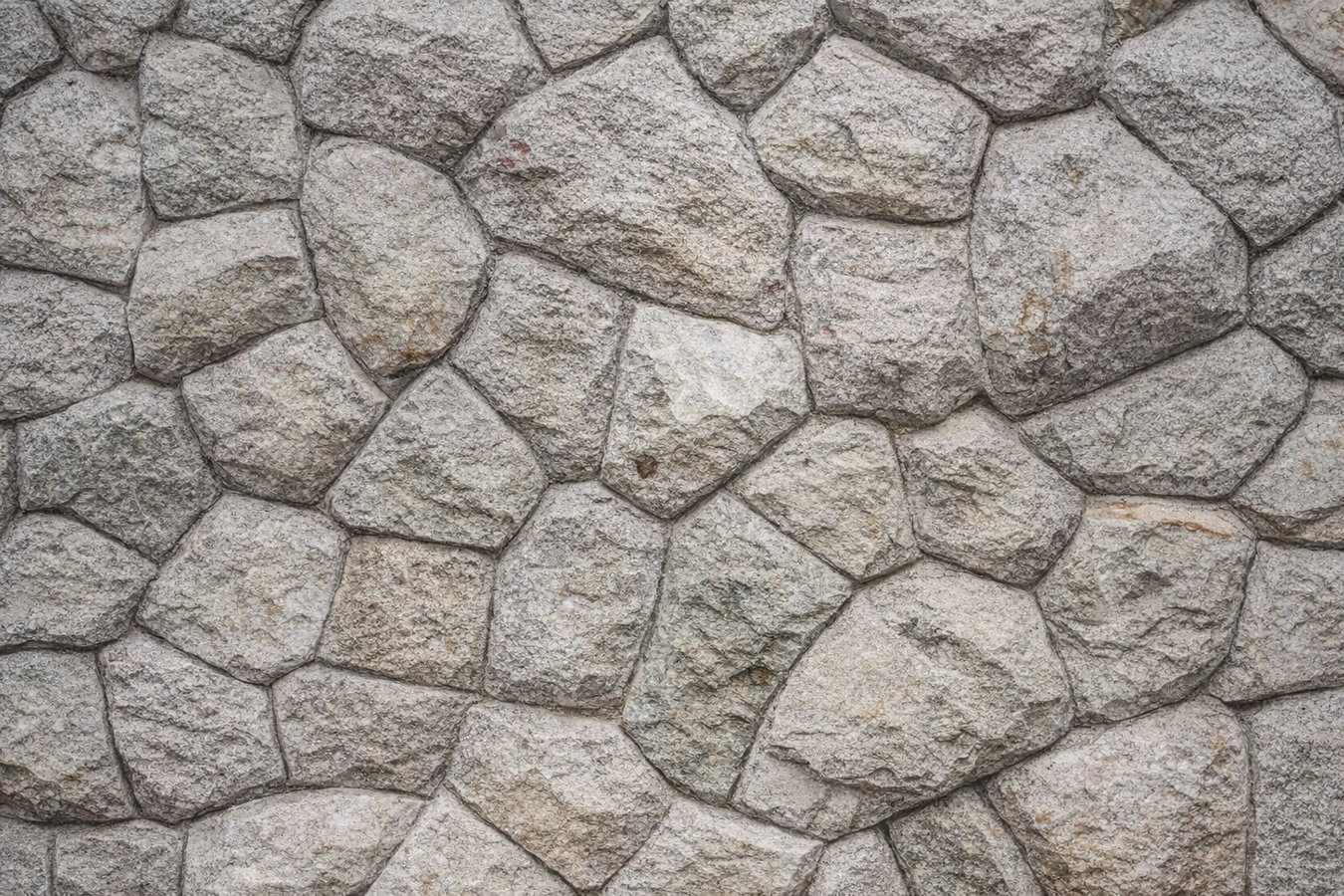
St. Joseph clay soil and freeze-thaw cycles break down stone work that was not built for local conditions. We use the right mortar, the right footings, and the right drainage so your stone walls, steps, and chimneys stay solid for decades.
Stone masonry in St. Joseph means building or repairing structures using natural or manufactured stone held together with mortar - including retaining walls, steps, chimneys, and veneer on home exteriors - most residential projects take one to five days for smaller jobs and one to two weeks for larger structures.
The mortar is where most masonry jobs succeed or fail over time. In St. Joseph, temperatures swing above and below freezing throughout winter and into early spring, and every freeze-thaw cycle puts stress on any joint that was not prepared and mixed correctly. Buchanan County clay soil adds another challenge - it expands when wet and shrinks when dry, which puts lateral pressure on retaining walls, steps, and anything sitting on or near the ground. A mason who understands local conditions will choose a mortar mix, footing depth, and drainage strategy that accounts for both of those forces before the first stone goes down. If your existing stone work is showing mortar deterioration, the repair process is similar to what our brick pointing team handles - cleaning out the damaged joints and packing in fresh mortar that matches your original material.
St. Joseph also has a large inventory of homes built in the late 1800s and early 1900s, many with original stone or brick foundations, chimneys, and decorative features. That history means a lot of stone work here is about careful restoration - matching materials and techniques to what was already built - rather than starting from scratch.
Run your finger along the lines between stones on your chimney, retaining wall, or steps. If the material crumbles away or you can see gaps where mortar used to be, the joint needs repair. In St. Joseph's climate, this wear accelerates after a few hard winters - and once water gets into those gaps, the damage spreads faster each season.
A wall that was once straight but now leans or shows a visible bow in the middle is telling you pressure is building behind it. This is especially common in St. Joseph's clay-heavy soils, where wet seasons cause the ground to swell and push against structures. A leaning wall will not fix itself - the longer it sits, the more expensive the repair becomes.
Those white streaks are called efflorescence - they happen when water moves through masonry and carries dissolved salts to the surface. It is a sign that water is getting in somewhere it should not be. In St. Joseph, where freeze-thaw cycles are common, water infiltration like this can cause serious structural damage over a single winter.
If stones have moved, tilted, or created a tripping hazard, the base beneath them has likely settled or eroded. This is common in older St. Joseph neighborhoods where original stone steps were laid without the drainage and footing standards used today. Uneven steps are both a safety issue and a sign the underlying structure needs attention.
We handle stone masonry projects across the full range - from new construction to repair and restoration of existing stone structures. New work includes retaining walls, garden walls, front steps, chimneys, pillars, and decorative veneer on home exteriors. We work with both natural stone and manufactured stone depending on your budget, the look you want, and how the material fits the existing character of your home. Permit applications to the City of St. Joseph Building and Development Services are part of what we handle for projects that require them. For homeowners interested in updating their home exterior, stone masonry pairs naturally with stone veneer installation to give older brick or stucco surfaces a fresh look without a full rebuild.
Repair and restoration work includes repointing deteriorated mortar joints, stabilizing leaning or shifting walls, rebuilding collapsed sections, and matching original stone and mortar materials on historic St. Joseph homes. Many of the properties we work on in the older neighborhoods near downtown and along the Noyes Boulevard corridor have stone features that have not been touched since they were built - and careful restoration is usually far less expensive than full replacement. The brick pointing process used for deteriorated mortar on brick structures applies directly to stone work as well, and we often address both materials on the same visit when a property has a mix.
Suited for homeowners with sloped yards, raised beds, or patio grade changes that need a permanent stone structure to hold back soil and prevent erosion.
A good fit for replacing crumbling concrete or deteriorated original steps with natural or manufactured stone that fits the scale and character of the home.
For homeowners with stone chimneys showing crown damage, missing mortar, or shifted stones that need repair or a partial rebuild before winter.
For homeowners who want to add stone to an exterior wall, pillar, or entry feature without the weight and cost of full-depth natural stone construction.
St. Joseph sits in a climate zone where temperatures regularly swing above and below freezing throughout winter and into early spring. That freeze-thaw cycle is the main reason mortar cracks and stones shift in this part of Missouri - and it is why the mortar mix and installation technique your mason uses matters more here than it would in a warmer climate. The city also has a large number of homes built between the 1880s and 1940s, many of which still have original stone or brick foundations, chimneys, and decorative masonry that is overdue for repointing or repair. If your home is more than 60 years old, there is a reasonable chance the mortar on any original stonework has softened or cracked and needs attention before the next hard winter. The St. Joseph service area includes these older neighborhoods as a core part of our work.
Much of the soil in Buchanan County contains clay that swells when wet and shrinks when dry - a movement cycle that puts pressure on retaining walls, steps, and any masonry structure sitting on or near the ground. A mason who understands these soil conditions will account for this by using proper footings and drainage from the start. We also serve homeowners in Savannah and the surrounding communities in northwest Missouri where the same clay soil and frost conditions apply. Spring and fall are the best windows for new stone masonry work - mortar does not cure properly in cold weather, and fall booking slots in St. Joseph fill up fast as homeowners try to get projects done before the first hard freeze.
We respond within one business day. We will ask a few basic questions - what you want built or repaired, roughly how large the area is, and whether you have noticed specific problems. Most stone masonry work needs to be seen in person before anyone can give you a real number.
We come to your property and look at the existing structure, check mortar and stone condition, and assess the base, drainage, and soil. After the visit you receive a written estimate that breaks down materials and labor - ask what is included and what could change the price.
For larger structural projects we handle the permit application with the City of St. Joseph before any work begins. Once materials are ordered and the permit is in place, you get a confirmed start date. Fall slots fill quickly, so earlier outreach helps.
Most residential stone masonry projects take one to five days of active work. When the job is done, we walk through the finished project with you before leaving. New mortar reaches full strength over about 28 days, so avoid putting heavy loads on new work during that period.
We respond within one business day. Written estimate provided after the on-site visit - no obligation, no sales pressure.
(816) 558-9986We select mortar mixes based on St. Joseph's freeze-thaw cycle frequency, not generic product defaults. A mix that is too hard will crack the stone; a mix that is too soft will crumble after a few winters. Getting this right from the start is the difference between work that holds and work that needs to be redone.
Buchanan County clay soil swells and shrinks with every wet-dry cycle, and that movement is one of the most common reasons retaining walls and steps fail in this area. We dig footings to the appropriate depth and build drainage into structures where it matters - because a wall that looks fine today but leans in three years is a problem, not a project.
Structural masonry in St. Joseph requires permits for a reason - they protect your home's value and give you a record that work was done to code. We handle the City of St. Joseph permit process as part of the project. You do not have to navigate the building department yourself.
Many homes in St. Joseph's historic neighborhoods have original stone or brick that deserves careful restoration, not replacement. We take time to match materials and techniques to the character of older properties, and we are familiar with the Mason Contractors Association of America's professional standards for historic masonry work. The repair should look like it was always there.
Stone masonry done right in St. Joseph starts with understanding the local conditions - frost depth, clay soil movement, and the age of the housing stock. Those factors drive every decision we make on a project, from footing depth to mortar selection to how we handle drainage behind a retaining wall. You can learn more about professional masonry standards from the Mason Contractors Association of America.
Remove deteriorated mortar from brick or stone joints and repack with fresh material matched to your existing masonry.
Learn MoreAdd manufactured or natural stone veneer to an exterior wall or entry feature without the cost of full-depth stone construction.
Learn MoreFall booking slots fill up fast - reach out now to get on the schedule before cold weather closes the window for this season.