
Loading...
Serving St. Joseph, MO and surrounding areas. (816) 558-9986
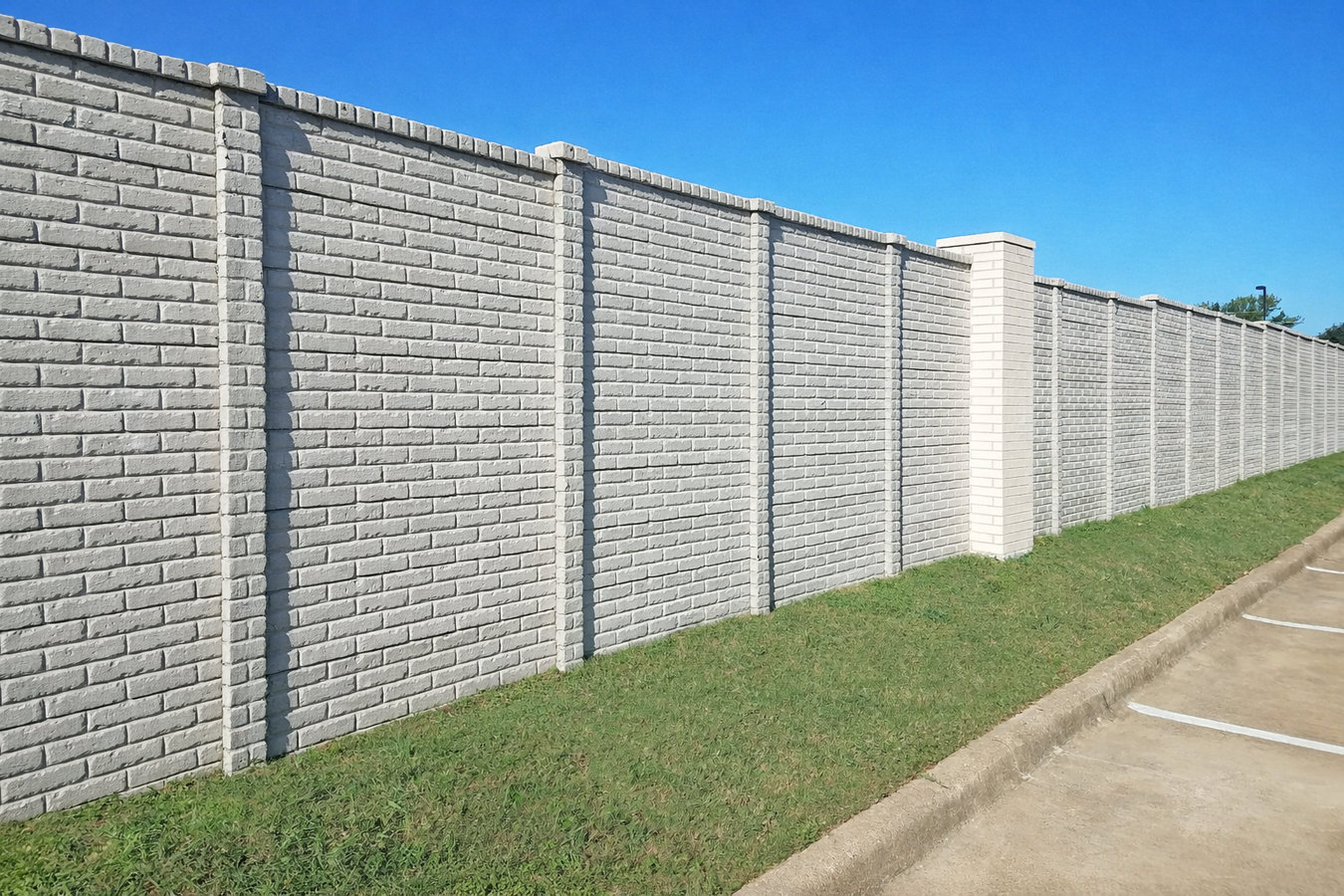
A block wall that starts leaning after a few winters was built without a deep enough footing. We dig past Missouri's frost line on every job so your wall holds its position through the kind of winters St. Joseph actually delivers.
Concrete block walls in St. Joseph are built from individual blocks stacked in overlapping rows and held with mortar, with a concrete footing poured below the 30-to-36-inch frost line before the first block goes down - and most straightforward residential walls are complete in one to three days.
The footing is the part most homeowners never see, but it is the part that determines whether the wall stands straight for 50 years or starts leaning within five. In St. Joseph, the ground can freeze solid in a hard winter, and any footing above that depth will be pushed up when the ground freezes and allowed to drop when it thaws - and after a few cycles, the wall moves. Beyond the footing, Buchanan County clay soil swells when wet and shrinks when dry, which puts ongoing pressure on any wall sitting in or near it. Both factors have to be accounted for before a single block is laid.
Homeowners building a retaining wall to manage a slope often pair the project with retaining wall construction for larger grade changes, while those looking for structural block below grade can combine this work with foundation block wall installation for a cohesive approach to the lower structure of their home.
If you stand at one end of your wall and sight down its length, it should look straight. A wall that curves or leans outward - even slightly - is telling you that soil pressure is winning. In St. Joseph's clay-heavy soil, this process can accelerate quickly once it starts, so a wall that looks only a little off today may be significantly worse by next spring.
Small horizontal cracks in mortar joints are common and often just cosmetic. But cracks that run diagonally across the face of the blocks, or that follow a stair-step pattern up the wall, usually mean the footing has shifted. Given St. Joseph's freeze-thaw cycles, this kind of movement is common in walls built without a deep enough footing - and it tends to get worse every winter.
A retaining wall doing its job should have drainage behind it so water moves away rather than building up. If you notice water weeping through the face of the wall after rain, or puddles forming at its base, the drainage is failing. Left alone, that water will freeze in winter and accelerate cracking throughout the wall structure.
Many St. Joseph homes built in the mid-20th century have original block walls that have never had their mortar refreshed. Mortar has a lifespan, and once it starts crumbling out of the joints, water gets in fast. Check it yourself: press a key gently into the mortar between blocks - if it crumbles or falls out easily, it is time to call a mason.
We build new concrete block walls for residential retaining, garden borders, property perimeters, and structural applications throughout St. Joseph. We also repair and repoint existing block walls - assessing whether the mortar, footing, or drainage is the root cause before we recommend a scope of work. For homeowners managing a slope or a grade change on their property, retaining wall construction gives us the right set of options across different heights and soil conditions - block is one material among several we can deploy depending on what the site demands.
For properties where the block work sits below grade or ties into the foundation system of a structure, we coordinate this work with foundation block wall installation so the below-grade and above-grade walls are built to the same standard. Every project includes a written estimate, permit handling through the City of St. Joseph Development Services, and drainage provisions built into any retaining application.
Best for homeowners managing a slope, grade change, or yard where soil needs to be held back to protect a patio, driveway, or structure.
Ideal for raised garden beds, defined borders, and outdoor areas where a permanent, low-maintenance edge is preferable to timber or landscape edging.
Suits homeowners whose existing block wall is structurally sound but has mortar deterioration, minor movement, or drainage issues that need to be addressed before damage worsens.
For homeowners who want a solid, permanent property boundary that outlasts wood or vinyl fencing alternatives - particularly popular in St. Joseph's older established neighborhoods.
The deep frost line and the clay-heavy soil throughout Buchanan County are the two conditions that separate a block wall built right in St. Joseph from one that just looks right at first. Clay soil swells when wet and shrinks when dry - that constant movement puts pressure on retaining walls and footings that sandy or loamy soil does not. Combine that with a frost line that can reach 30 to 36 inches on a hard winter, and you have a site that demands more excavation, more drainage attention, and more careful footing sizing than many contractors budget for. Parts of the city near the Missouri River and its tributaries also deal with drainage challenges and heavy spring runoff that further increase soil pressure behind retaining walls. Homeowners in Lansing and across the region share the same frost-line and drainage realities that make proper footing depth non-negotiable.
St. Joseph also has a significant stock of residential properties built between the 1920s and 1960s, and many of those homes have original block walls - garden borders, basement walls, or retaining structures - that are now 60 to 100 years old and have never had their mortar touched. That aging stock creates steady demand for repair work where matching the original block size and mortar color matters as much as the structural fix itself. For newer construction on the city's outer edges, the same frost-line and drainage rules apply, even if the soil has been disturbed less than in the older neighborhoods. Homeowners working on property improvements near Cameron face the same conditions and the same permit requirements that we handle every season in St. Joseph.
We reply within one business day. We will want to see the site in person before giving you a price - photos help, but they cannot show footing requirements, soil conditions, or drainage issues. Expect a site visit within a few days, and plan for 20 to 30 minutes of the contractor walking the area, asking questions, and taking measurements.
You receive a written estimate that breaks down the cost of materials, labor, and permit fees. If your project requires a permit - common for retaining walls and walls near property lines in St. Joseph - we explain the process and confirm we will handle pulling it before work starts.
Before any digging begins, we coordinate utility marking through Missouri's 811 call-before-you-dig service - required by state law. The crew then excavates for the footing, digging well below the frost line. This first stage sets up everything that follows.
The footing is poured and allowed to cure - typically 24 to 48 hours before block laying begins. Block goes up quickly once the footing is ready, with drainage provisions installed behind any retaining wall. After the final mortar joints are finished, the site is cleaned and the city inspection is coordinated if a permit was pulled.
Free written estimate. We pull the permits and dig past the frost line on every job.
(816) 558-9986St. Joseph's ground can freeze 30 to 36 inches deep in a hard winter. We excavate past that depth on every block wall project - because a footing above the frost line is a wall that will move. This is the step most homeowners never see and the one that matters most.
Buchanan County clay expands and contracts with every wet and dry cycle, putting pressure on retaining walls and footings year-round. We size footings and build drainage provisions to account for local soil conditions - not just generic masonry guidelines.
We pull all required permits through the City of St. Joseph Development Services before any work begins. The permit process means a city inspector checks the footing and the finished wall - which is a benefit to you, not a formality. Missouri's 811 utility marking requirement is handled before any digging starts. The Portland Cement Association sets the standards our work is built on.
You receive an itemized written estimate before any work starts. If something unexpected comes up during excavation - like an old footing or a drainage problem - we tell you before we do anything that changes the price. No surprises at the end.
A concrete block wall built correctly in St. Joseph can outlast the home it sits next to. Our approach - proper footing depth, drainage built in, permits pulled, and a written estimate upfront - is what gives homeowners confidence that the wall they are investing in will still be standing straight in 40 years. For more on masonry unit standards, see the Portland Cement Association.
Below-grade block wall construction tied into foundation systems - for homeowners who need structural block work as part of a larger project.
Learn MoreEngineered retaining walls for larger grade changes and slopes - incorporating block, stone, or other materials based on site requirements.
Learn MoreSpring and summer slots fill quickly - get on our schedule now before the ground thaws and work picks up.