Loading...
Serving St. Joseph, MO and surrounding areas. (816) 558-9986
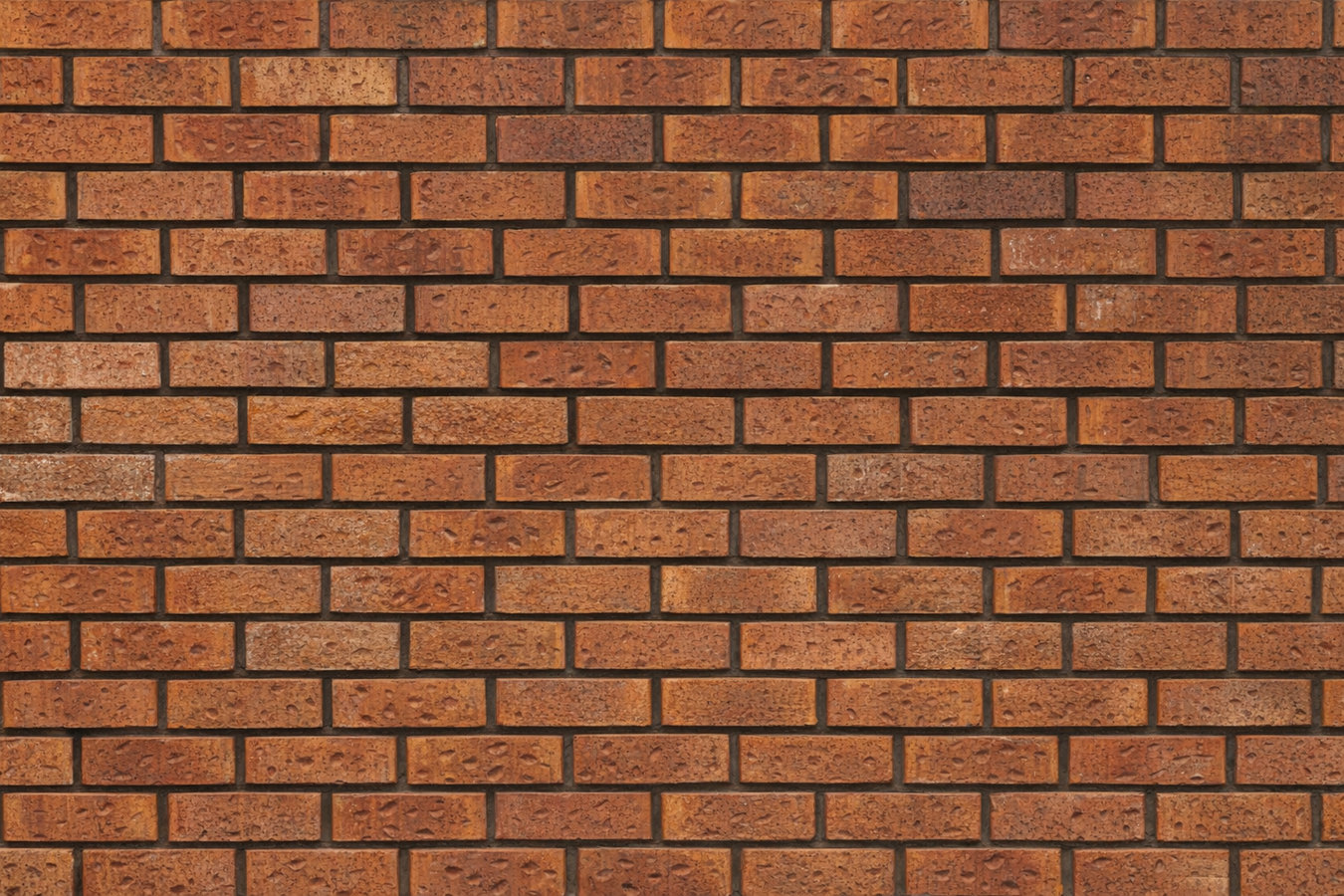
Crumbling mortar lets moisture into your brick walls every winter. We remove the damaged material, match your existing mortar, and pack it tight so your home is sealed before the cold hits.
Tuckpointing in St. Joseph means removing old, crumbling mortar from between your bricks and packing in fresh material so your wall is sealed again. Most jobs on a single-family home take one to three days, and the work is done from the outside so you never need to leave your home.
If you have noticed white streaks on your brick or felt a soft, crumbly texture when you run your finger along the joints, the mortar has broken down. St. Joseph winters are hard on masonry - the freeze-thaw cycle that hits this part of Missouri every year pushes water into failing joints and widens the damage a little more each season. Tuckpointing stops that cycle early, before a mortar problem becomes a brick repair problem.
St. Joseph has a large inventory of older brick homes, and the mortar in those walls was not built to last forever. Catching it early is genuinely affordable. Waiting until water has worked its way inside the wall is not.
Press your thumb firmly against the mortar line between two bricks. If it feels soft, sandy, or flakes away easily, the mortar is no longer keeping water out. This is the clearest sign that tuckpointing is overdue, and the sooner you act, the less likely you are to face a more expensive repair.
Stand back and look at your brick walls in good daylight. If you can see dark gaps or recessed lines where the mortar should be, water is already getting into those voids. In St. Joseph winters, that water freezes and expands, widening the damage with every cold snap.
A white, chalky residue on brick faces - called efflorescence - is a sign that water is moving through the wall and carrying dissolved salts to the surface. It often appears after a wet spring, and it is a reliable early warning that your mortar joints are letting moisture in.
If you notice water stains, peeling paint, or damp patches on the inside of an exterior brick wall after heavy rain, failing mortar joints are a likely cause. This is especially worth investigating in St. Joseph homes built before 1950, where brick walls are often the primary weather barrier with no modern moisture membrane behind them.
We handle tuckpointing jobs of all sizes, from a single crumbling chimney to a full exterior repoint on a large older home. Every job starts with a close look at what kind of mortar your home was built with - because using the wrong replacement mix can do more harm than the original damage. For homes where the joints have worn to the point that bricks have shifted or cracked, we can pair tuckpointing with our brick repair service to address both issues in a single visit.
For decorative or historic brickwork where joint profiles and mortar color need to match original construction closely, our brick pointing work brings additional precision to the finish. Whether the job is straightforward repointing or careful period-accurate mortar matching, we give you a written estimate before any work starts and stick to it.
Ideal for homeowners whose chimney mortar is crumbling, recessed, or showing gaps before the heating season.
Suited for homes with widespread mortar deterioration across one or more facade sections.
Right for targeted damage - a short wall section, a garden border, or a single visible problem area.
Best for pre-1950 St. Joseph homes where lime-based mortar needs to be matched rather than replaced with modern cement.
St. Joseph sits in a climate zone where temperatures swing well below freezing in winter and climb into the 90s in summer. Every time water in a mortar joint freezes, it expands slightly - and over years, that repeated expansion chips mortar apart from the inside. Homeowners here see mortar deteriorate faster than in milder climates, which makes staying ahead of repairs genuinely worth it. The city also has a large number of brick homes built between the 1880s and the 1940s, where the original mortar was often lime-based and needs a specific type of replacement mix. Using a harder modern cement on those walls can actually crack the surrounding bricks over time - something a contractor unfamiliar with older St. Joseph construction might not flag for you.
We serve homeowners throughout the area, including Maryville, MO and Savannah, MO, where older brick homes face the same freeze-thaw pressure as those in the city. Wherever your home sits in northwest Missouri, the mortar problem is the same - and so is the solution.
When you reach out, we will ask where the damage is and roughly how much of the wall is affected. We reply within one business day and schedule a free on-site estimate at your convenience.
We walk the affected areas with you, point out what we see, and explain what needs to be done. You get a written estimate that breaks down labor and materials, including the mortar type we plan to use.
We grind or chisel out the damaged mortar to a consistent depth, then pack in fresh material, tool the joints to a smooth finish, and clean any excess off the brick face.
Before we leave, we walk the repaired areas with you. We tell you exactly how long to keep the area dry - typically 48 hours minimum - and what to watch for during the curing period.
Free estimate, written quote, no pressure. We reply within one business day.
(816) 558-9986Many homes in St. Joseph were built with lime-based mortar that is softer than modern cement. We identify the right mortar type for your home's age and construction so the repair does not damage the surrounding bricks.
We apply a test patch and let you review the color before we do the full job. Mortar lightens as it cures, and older mortar has weathered to a unique shade - we want you to approve the match before we commit.
St Joseph Concrete & Masonry is a state-licensed and fully insured masonry contractor. You have written documentation of scope, materials, and cost before any work starts - no surprises at the end.
We have worked on brick homes throughout St. Joseph's neighborhoods - from the historic Southside to newer subdivisions on the city's edge. Local experience means we know what this climate does to mortar and how to fix it.
The Brick Industry Association notes that quality tuckpointing done with the right mortar mix can last 25 to 50 years. We combine that standard with knowledge of what St. Joseph homes actually need - so the work holds up through however many Missouri winters are still ahead of your home.
When mortar deterioration has progressed to damaged or spalled bricks, we handle full brick replacement alongside mortar work.
Learn MorePrecision pointing for decorative or detailed brickwork where tight joint profiles and color consistency are the priority.
Learn MoreEvery winter that passes with failing joints widens the damage. Call us today for a free tuckpointing estimate in St. Joseph, MO.