
Loading...
Serving St. Joseph, MO and surrounding areas. (816) 558-9986
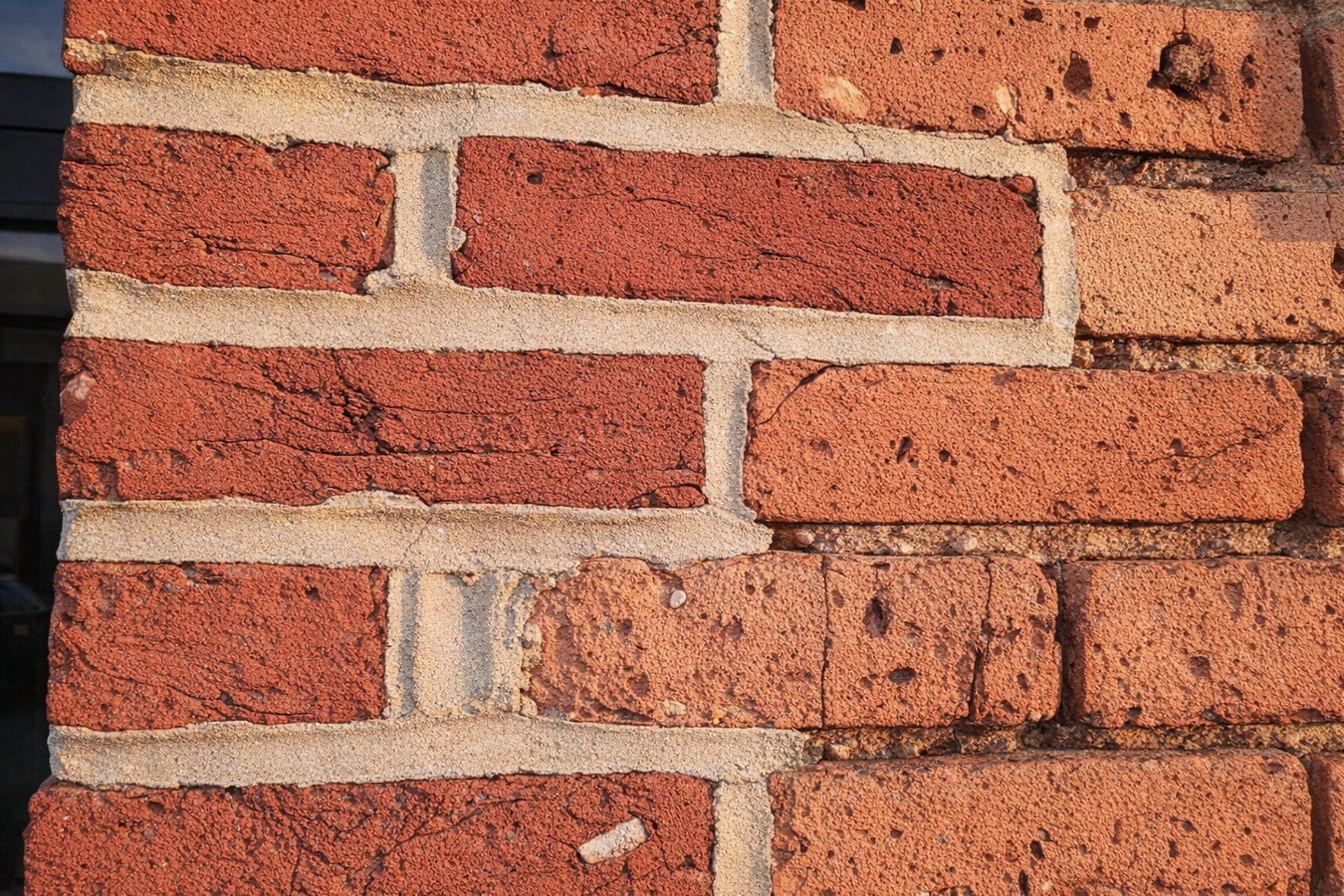
Crumbling mortar, spalling brick, and water stains are early warnings. We repair the damage, match your original materials, and seal your masonry against Missouri winters before a small problem becomes a costly one.
Masonry restoration in St. Joseph covers the full range of repairs that bring brick, stone, or block structures back to sound condition - including repointing mortar joints, replacing damaged bricks, cleaning efflorescence, and addressing structural cracks. Most residential jobs wrap up within one to three days, and the work happens entirely on the outside of your home.
If you have noticed chalky white streaks on your brick, felt soft or sandy mortar when you run a finger along the joints, or spotted a diagonal crack in your foundation, those are all signs that the masonry is under stress. Left alone, each of those issues deepens with every Missouri winter. Catching them at the repointing stage is far less expensive than waiting until the brick itself needs replacement. When the brick is already damaged, we can pair restoration work with our fireplace installation or stone masonry services to address everything in one project.
St. Joseph has more older brick homes than most cities its size, and that aging housing stock needs contractors who understand the difference between a quick patch and a proper repair. We focus on doing the work right the first time so it holds through another 25 to 30 winters.
Look closely at the lines between your bricks. If mortar feels sandy, breaks apart easily, or has gaps you can push a finger into, water is already getting in. In St. Joseph winters, that moisture freezes, expands, and widens the damage further with each cold snap.
A white powdery residue on brick - called efflorescence - is not just cosmetic. It means water is actively moving through the wall and carrying mineral salts to the surface. This is especially common on St. Joseph homes after wet springs or a winter with heavy freeze-thaw cycling.
When the surface of a brick flakes off in thin layers - called spalling - it has been weakened by repeated freeze-thaw damage. A spalling brick lets in far more water than a cracked mortar joint, and it will not stop on its own. This is one of the clearest signs that professional restoration is needed soon.
Hairline cracks running straight up and down are often normal settling. Diagonal cracks - especially ones wider at one end - can signal that a foundation or wall is shifting. Given St. Joseph's clay-heavy soils, which expand and contract with seasonal moisture, diagonal cracking deserves a professional look before the next wet season.
We handle the full range of restoration work - from targeted mortar repointing on a single chimney to comprehensive repairs across an entire brick exterior. Every job starts with a close look at what your masonry is made of and how it was built, because applying the wrong material or method can do more harm than the damage you started with. When joint deterioration has progressed to the point where bricks have cracked or shifted, we can address both issues together. Our fireplace installation work often runs alongside restoration projects on older St. Joseph homes where original fireplace surrounds need attention at the same time.
For projects that involve natural stone elements alongside brick, our stone masonry service covers repair and construction of natural stone features so you do not need two separate contractors on the same job. Wherever the scope lands, you get a written estimate before any work starts and a clear explanation of what materials are being used and why.
Right for homes with widespread joint deterioration across a chimney, wall, or full exterior facade.
Suited when individual bricks or stones have spalled, cracked, or shifted beyond what repointing can address.
Ideal before any repair work to reveal the true condition of the masonry and ensure new mortar bonds correctly.
For diagonal or stair-step cracks in foundation walls or load-bearing masonry where movement has compromised the structure.
St. Joseph's winters put more stress on masonry than most homeowners realize. Temperatures in Buchanan County swing above and below freezing repeatedly through winter and early spring, and every freeze-thaw cycle pushes moisture deeper into failing mortar joints. What starts as a soft spot in a chimney joint can become a crumbling wall section within a few seasons if it is not addressed. Homes in the St. Joseph, MO area built before World War II are especially vulnerable because the softer lime-based mortar used in that era was never designed to stand up to decades of freeze-thaw cycling without periodic repointing.
The clay-heavy soil common throughout northwest Missouri also plays a role. Clay soils expand when wet and shrink when dry, and that seasonal movement puts real stress on foundation walls and retaining structures over time. Homeowners in Savannah, MO and other areas in the region face the same combination of freeze-thaw and soil movement that accelerates masonry wear. Catching cracks and joint deterioration before a wet season sets in is one of the simplest ways to avoid a significantly larger repair bill later. The National Park Service Preservation Briefs provide the same guidance for historic masonry - early, correct intervention is almost always cheaper and more effective than deferred repair.
Tell us where the damage is and roughly how old your home is. We reply within one business day and set up a free on-site estimate at your convenience - no commitment required.
We inspect the affected area closely, probe the mortar to check depth of damage, and explain what we see in plain terms. You receive a written estimate covering labor, materials, and any permit fees before any decision is made.
We remove damaged material, clean the area thoroughly, then apply new mortar or replacement brick in the correct sequence. Larger jobs may run several days - we clean up at the end of each workday.
Before we leave for the last time, we walk the finished work with you. We explain the curing window - typically 24 to 48 hours minimum before the area should get wet - and what follow-up, if any, is recommended.
Free written estimate. No pressure. We reply within one business day.
(816) 558-9986Many St. Joseph homes from the 1880s through the 1940s were built with softer lime-based mortar. We identify the right mix for your home's age and construction so the repair does not stress the original brick. The National Park Service recommends this approach for pre-war masonry, and we follow it.
We give you a detailed written estimate covering scope, materials, and total cost before anyone picks up a tool. No verbal-only quotes, no scope creep surprises. If something changes once work begins, we tell you before we proceed.
St. Joseph requires building permits for structural masonry repairs. We identify whether your project crosses that threshold, pull the permit on your behalf, and make sure the work is properly documented - which matters if you ever sell your home or need to make an insurance claim.
We have worked on brick homes throughout St. Joseph - from the large older houses along Noyes Boulevard to homes in the Near Northside. That local track record means we understand what the Missouri climate does to masonry here specifically.
Taken together, these practices mean that the masonry restoration work we do in St. Joseph holds up - both in terms of structural performance and appearance. We build a local reputation one well-done job at a time, and that is the standard every project gets.
Pair masonry restoration work with a new or restored fireplace installation to complete a full structural and aesthetic refresh.
Learn MoreWhen restoration work uncovers original stone elements, our stone masonry service handles natural stone repair and construction alongside brick work.
Learn MoreSt. Joseph's freeze-thaw cycle will not wait - call us today or request a free estimate and get your masonry protected before the cold arrives.