
Loading...
Serving St. Joseph, MO and surrounding areas. (816) 558-9986
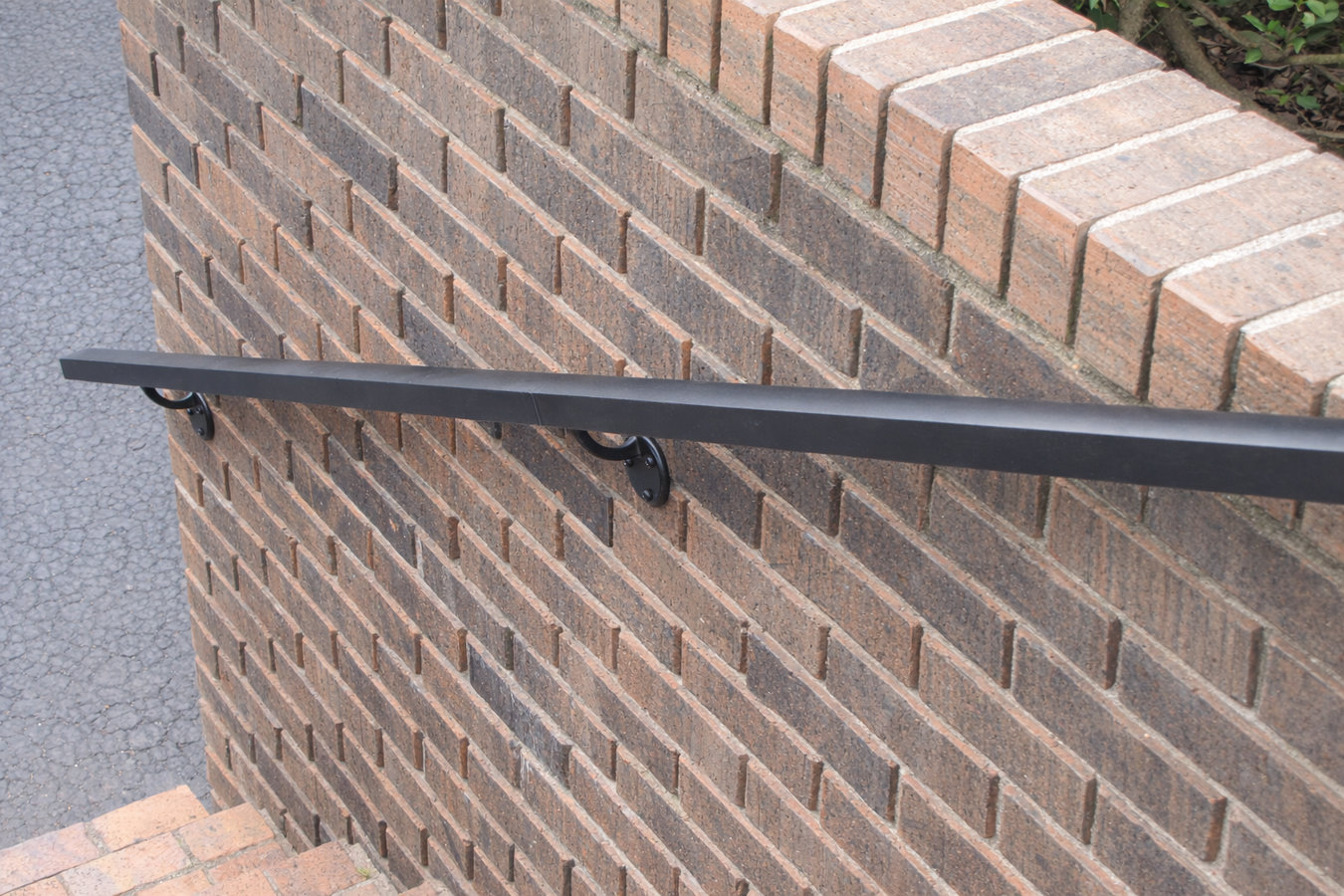
A brick wall that was not built for Missouri frost depth and Buchanan County clay soil will lean, crack, and shift within a few years. We dig every footing below the frost line and design around local soil - so your wall holds its line for decades.
Brick wall installation in St. Joseph means digging a trench below Missouri's frost line, pouring a concrete footing, then laying brick course by course with mortar joints finished to shed water - most residential walls take one to five days of active work depending on size, plus time for permit approval.
The footing is the part that determines everything. If it sits above the frost line, the ground will push it up each winter and let it drop each spring, and after a few cycles the wall cracks or leans. In St. Joseph, where the ground freezes 24 to 30 inches deep in a hard winter, that means digging well below that depth before a single brick goes down. Buchanan County's clay-heavy soil adds another layer of challenge - clay expands when it absorbs water and shrinks when it dries, and that sideways pressure is one of the most common reasons older brick walls in St. Joseph have started to shift. A mason who knows local conditions will account for both the frost depth and the soil movement in how the footing is sized and drained. For homeowners working on properties where brick walls connect to other masonry structures, many find it useful to pair this work with brick repair on existing sections that have mortar deterioration but are not yet ready for a full rebuild.
St. Joseph also has a well-established tradition of brick construction - many of the city's older neighborhoods were built when brick was the dominant residential material, and a new wall in those areas should look like it belongs, not like it was dropped in from somewhere else. Craftsmanship in the joint work is what makes that difference.
If you stand back and look at your wall from the end and it is no longer straight up and down, the footing has likely shifted from years of freeze-thaw movement in St. Joseph's winters. A leaning wall will not fix itself - the longer it sits, the more likely it is to collapse. This is worth having a mason look at before the next winter season puts more stress on it.
That white residue is called efflorescence, and it happens when water moves through the wall and carries salts to the surface. It is especially common on older brick walls in St. Joseph's wetter spring months. It is not always a structural emergency, but it does mean water is getting into the wall - and left alone, it leads to cracking and spalling where chunks of brick face break off.
Run your finger along the joints between bricks. If the mortar feels soft, crumbles easily, or has receded more than a quarter inch below the brick face, water is getting in with every rain. In St. Joseph's climate, that water freezes in winter and expands, making the damage worse each year. Depending on how widespread the damage is, a mason may recommend repointing or a rebuild of the affected section.
If you are planning a raised garden bed, a tiered backyard, or a patio with a slope behind it, a brick retaining wall is often the right solution - and it is much easier to build it as part of the project than to add it later. St. Joseph's clay soils can shift and erode on slopes, so a properly built retaining wall does structural work, not just decorative work.
We install new brick walls for privacy screens, property line boundaries, retaining structures, garden and patio edges, and front-yard curb appeal throughout St. Joseph. Every wall starts with a properly dug and formed concrete footing below the frost line - we do not skip that step regardless of wall size. Permit applications to the City of St. Joseph Building and Development Services are part of what we handle, so you do not have to navigate that process yourself. Before any digging begins, we mark underground utilities through the required notification process.
Brick walls frequently complement other masonry work on the same property. A new wall alongside a patio connects naturally with stone masonry for a mixed-material look, and homeowners dealing with existing mortar deterioration on other structures can combine the new wall project with brick repair to address everything at once and keep the crew on site for fewer separate visits.
For homeowners who want a permanent, low-maintenance alternative to wood fencing that fits the character of older St. Joseph neighborhoods.
Suited to properties with sloped yards where a brick structure is needed to hold back a grade change and prevent erosion on clay-heavy ground.
A good fit for homeowners adding a raised garden bed or defining the edges of an outdoor living space with a short decorative wall.
For homeowners with an existing brick wall that is leaning, cracking, or showing mortar failure - an honest on-site assessment before any work begins.
St. Joseph is one of the more brick-dense cities in northwest Missouri. The historic South Side, the Noyes Boulevard corridor, and the neighborhoods near downtown were built during decades when brick was the dominant residential and commercial material. That means many properties already have aging brick structures - boundary walls, garden walls, or decorative entry walls built before modern footing standards - and the work we do often involves understanding what is already there before deciding whether to repair or rebuild. The city also has a real frost depth requirement. Shallow footings that might survive in a warmer climate will fail here, and the clay-heavy soil throughout Buchanan County pushes against any masonry structure that was not designed with lateral soil pressure in mind.
We serve homeowners throughout the wider area, including Liberty and Leavenworth where similar soil and frost conditions apply. Spring and fall are the best times to build - book early if you want a spring start date, because April through June fills up quickly once the weather turns.
We ask a few basic questions about where the wall will go, roughly how long or tall you are thinking, and what you want it to do. You will hear back within one business day to confirm details and schedule a site visit - no price can be given honestly without seeing the ground conditions first.
We walk the area with you, check soil, slope, drainage, and access, and measure the space. Within a few days you receive a written estimate that breaks down labor, materials, and permit fees - every line explained clearly.
We apply for the required permit through the City of St. Joseph Building and Development Services on your behalf. Once approved - typically within a few business days to two weeks - we confirm your start date and sequence the work.
Day one is footing excavation and concrete. Bricklaying follows once the footing has cured. After the last brick is laid, the crew cleans the site, a city inspector signs off on permitted work, and we let you know how long to give the mortar before putting full use on the wall.
Written estimates only. Permits handled. We respond within one business day.
(816) 558-9986Every footing we pour goes below the 24 to 30-inch frost depth typical for St. Joseph winters. That is the single most important factor in whether a brick wall stays straight for decades or starts to lean within five years. We do not adjust that standard based on wall size or project budget.
Buchanan County's clay soil expands when wet and contracts when dry - and that lateral pressure is what pushes walls off their base over time. We size and reinforce footings to account for local soil conditions, not generic Midwest specs. It is a detail that matters most in the seasons you will never think about it.
We pull the required building permits through the City of St. Joseph Building and Development Services before any work starts. The city inspector signs off on the finished wall - which means your project is on the record and legally protected if you ever sell the home or a question comes up later.
Many older St. Joseph properties have existing brick walls that need assessment before deciding on a scope. We will tell you which approach actually makes sense for your situation rather than defaulting to the more expensive option. The Brick Industry Association sets the standards we use to evaluate masonry condition - giving you a benchmark to compare against any other estimate you receive.
These commitments come together in work that fits St. Joseph's climate, its soil, and its neighborhoods - built to hold up without coming back for repairs in a few years. Call us or submit a free estimate request and we will get back to you within one business day.
Permit requirements sourced from City of St. Joseph Building and Development Services. Masonry standards referenced from the Brick Industry Association.
Pair a new brick wall with natural stone accents or a full stone structure for a distinctive look that holds up through Missouri seasons.
Learn MoreAddress crumbling mortar or spalling brick on existing structures at the same time as a new wall installation - one crew, one visit.
Learn MoreSpring is the best building season in St. Joseph, and contractor schedules fill fast - contact us now to get a written estimate and lock in your start date.